How Miami Altitude Affects HVAC System Performance
Published: 2026-06-19 · By HVACBros Air Conditioning Repair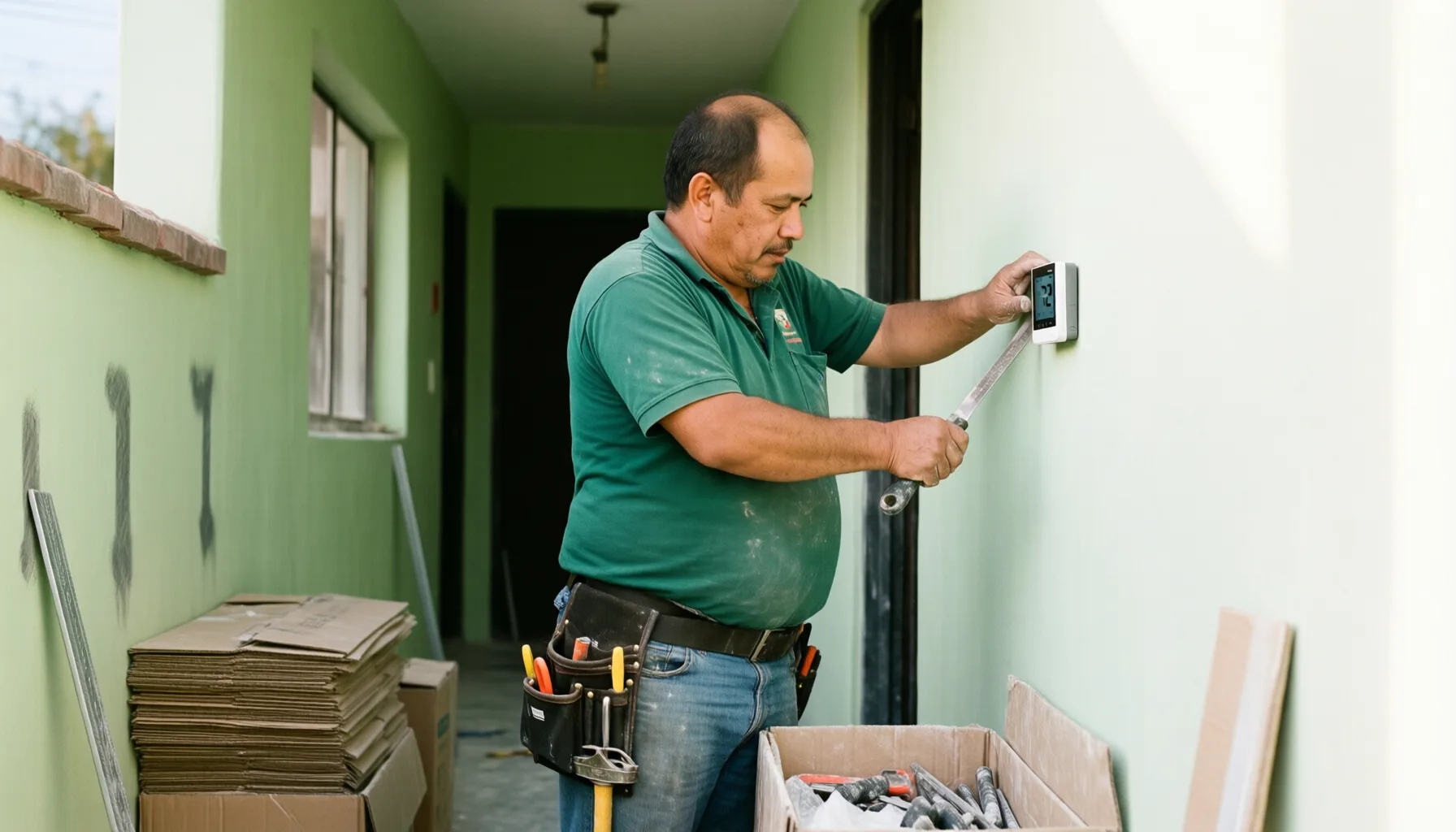
Imagine a sweltering Miami afternoon, where the humidity hangs thick in the air and the ocean breeze is just a distant memory. As the temperatures soar and storms loom on the horizon, the last thing you want is for your air conditioning system to falter. In a city where tropical storms and salty air are frequent, understanding the impact of Miami's unique altitude on your HVAC system's performance is crucial. From corrosion due to humidity to increased wear and tear from extreme weather, the altitude of your home can significantly influence how efficiently your air conditioning operates.
Why This Matters for Miami Homeowners
Miami's climate is notorious for its high humidity and salt air, factors that not only challenge your comfort but also your HVAC system's longevity. Elevated homes, prevalent in the area, often face issues related to air circulation and moisture management that can exacerbate HVAC problems. When your unit struggles, it leads to increased energy bills and a less comfortable living environment. Moreover, storm season poses severe threats, with power outages and flooding being common risks, further complicating air conditioning repair.
Residents frequently overlook routine maintenance, thinking that occasional repairs will suffice. However, neglecting even minor issues can lead to significant, costly repairs down the line. Given Miami's unique environmental factors, your HVAC setup requires regular checks to mitigate damage from humidity and salt corrosion.
Tip: Regularly inspect your outdoor unit for rust and wear, especially after storms.
Furthermore, the unique building styles in Miami may necessitate modifications for energy efficiency. Homeowners who are unaware of these dynamics may find themselves in a cycle of persistent repairs, leaving them frustrated and uncomfortable during the hottest months.
Expert Solutions & Actionable Tips
1. Understand Humidity's Role in HVAC Performance
Humidity levels in Miami can frequently soar above 70%, causing HVAC systems to work overtime. This leads to higher energy bills, often 30-50% more than the national average. Ensure your system is equipped for dehumidification, as standard units may struggle.
Consider investing in a dehumidifier, which ranges from $200 to $2,000 based on capacity and features. While a simple fix, this can drastically improve indoor comfort and efficiency, particularly in peak summer months.
2. Schedule Seasonal Maintenance
Establish a routine for seasonal HVAC maintenance checks. This should occur biannually—once in spring and once in fall—to prepare for extreme weather. Professional inspections usually cost between $75 to $150 and help catch potential issues before they become serious.
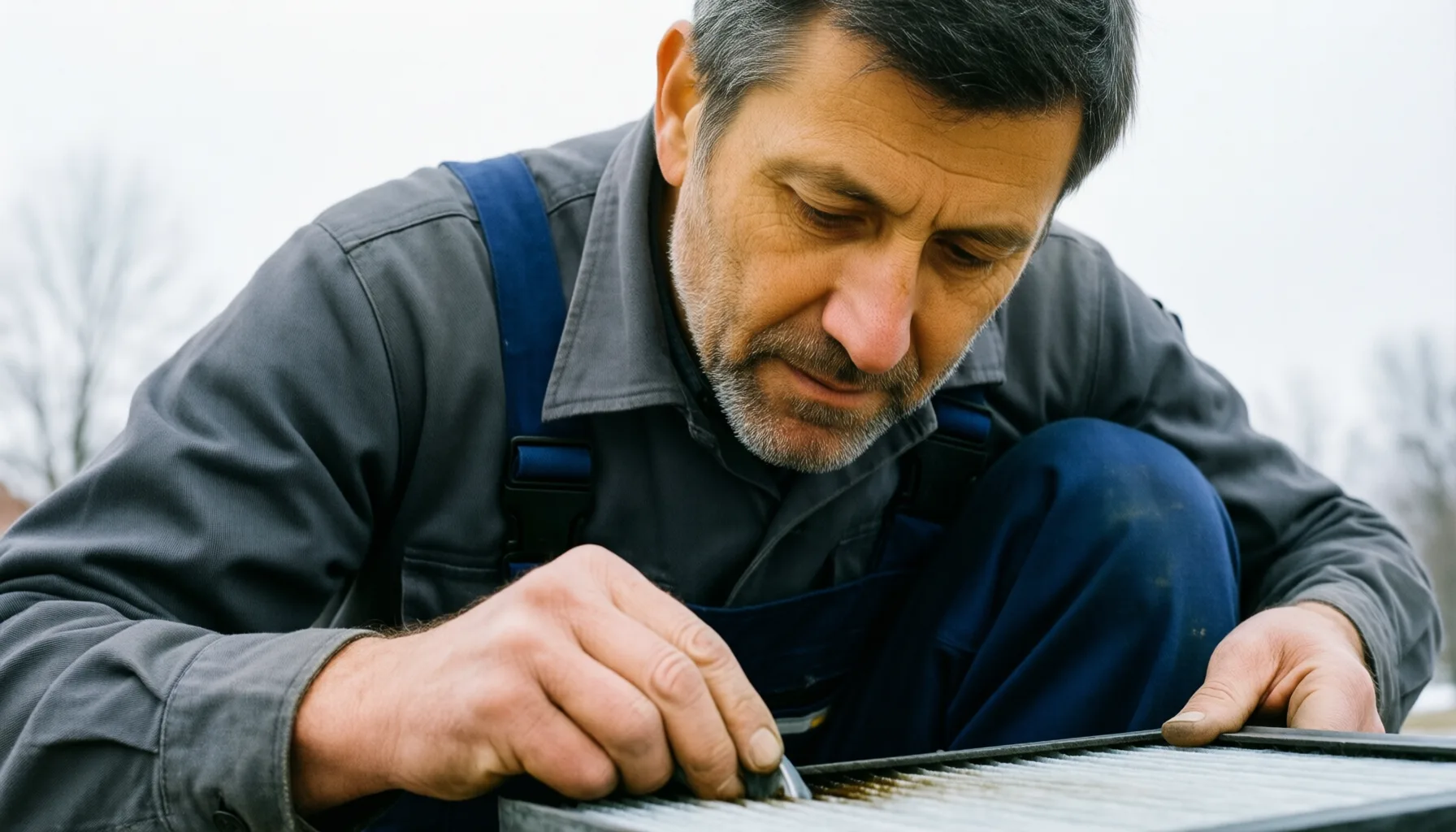
A qualified technician will evaluate your unit's efficiency, inspect for corrosion, and clean components to ensure optimal performance, saving you money in the long run.
3. Invest in Corrosion-Resistant Equipment
Living in a coastal area means your HVAC equipment is subject to salt air, leading to accelerated corrosion. Upgrading to corrosion-resistant materials can significantly enhance durability, although these might come with initial costs ranging from $500 to $1,500 more than standard units.
Consider brands and models designed for coastal environments, as they often include protective coatings and materials that resist rust and decay.
4. Optimize Thermostat Settings
Utilizing a programmable or smart thermostat can help regulate your HVAC system during peak operating times. This not only provides comfort but can lower energy bills by about 10-15%. Investment in these devices typically ranges from $100 to $300.
Set your system to a higher temperature while you're away, and allow it to cool before you return, reducing unnecessary strain during Miami's hottest hours.
5. Check Ventilation and Ductwork
Proper ventilation is essential for any Miami homeowner. Ensure your ductwork is not only clean but appropriately sealed. Leaky ducts can waste 20-30% of the air your system produces, leading to inflated energy costs.
Consider professional duct sealing services, which typically cost between $300 to $1,000. A well-sealed system not only improves efficiency but also enhances indoor air quality.
6. Stay Informed on Local Regulations
Familiarize yourself with local building codes and permit requirements when upgrading or repairing your HVAC system. Miami often requires permits for major installations, and non-compliance can result in fines or issues with home insurance.
Reviewing zoning laws and environmental regulations ensures any updates to your HVAC system meet necessary compliance, which may save you from future complications down the line.
Miami Climate & Local Context
Miami’s warm, tropical climate is interspersed with hefty bouts of rain, especially during hurricane season. The coastal environment contributes to specific demands on HVAC systems. Homes elevated to counter flooding must ensure proper air circulation, while moisture barriers help protect against widespread dampness. Failure to account for these factors can lead to mold growth and degrade air quality.
Additionally, Miami-Dade County enforces strict building codes aimed at preserving energy efficiency and safety standards. Homeowners should be aware of these requirements when considering repairs or upgrades to their HVAC systems. Having a reliable contractor is invaluable for navigating local statutes and ensuring compliance to avoid costly penalties.
When to Call a Professional
While some HVAC issues may seem simple enough to tackle on your own, certain situations warrant professional assistance. DIY repairs can be tempting, especially to save money; however, there are key indicators suggesting it’s time to call in experts.
- Unusual noises from the system
- Inconsistent temperature settings
- Increased energy costs
- Warm air blowing from vents
- Water leaks around the HVAC unit
- Foul odors when the system operates
Whenever you encounter these symptoms, seeking professional help could save you from extensive damage and financial strain. Miami's climate can exacerbate these issues, meaning timely interventions are critical for system health.
Frequently Asked Questions
How often should I service my HVAC system?
For Miami homeowners, it's recommended to service your HVAC system at least twice a year, ideally before summer and winter.
What are the signs my HVAC system is failing?
Common signs include inconsistent temperatures, strange noises, increased humidity, and rising energy bills.
Can salt air damage my HVAC unit?
Yes, salt air can accelerate corrosion in HVAC units, particularly those not designed for coastal environments.
What is the average cost of HVAC repairs in Miami?
Typical HVAC repairs in Miami can range anywhere from $150 to $1,200, depending on the complexity of the issue.
Should I install a dehumidifier in my home?
Given Miami's humidity, installing a dehumidifier can greatly improve indoor comfort and HVAC efficiency.
Get Expert HVAC Service in Miami
If you're concerned about your HVAC system and its performance in Miami's unique climate, don't hesitate. Experienced technicians at HVACBros Air Conditioning Repair are ready to assist. Call us today at (645) 219-1623 and ensure your air conditioning systems are operating effectively.
We understand Miami's environment and are committed to keeping your home comfortable. Reach out to HVACBros Air Conditioning Repair for dependable service tailored to your needs.